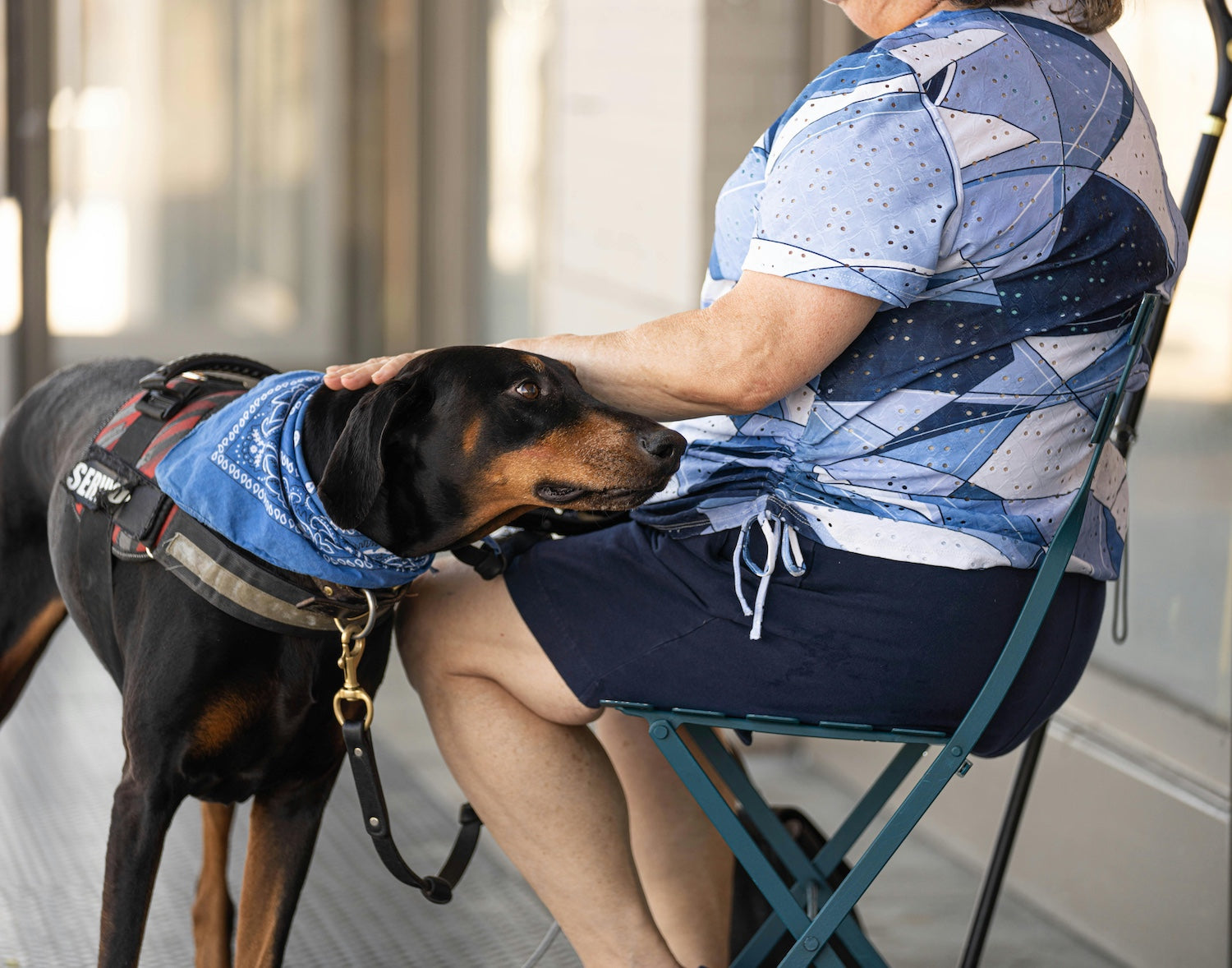
Article: Physical Disabilities Guide
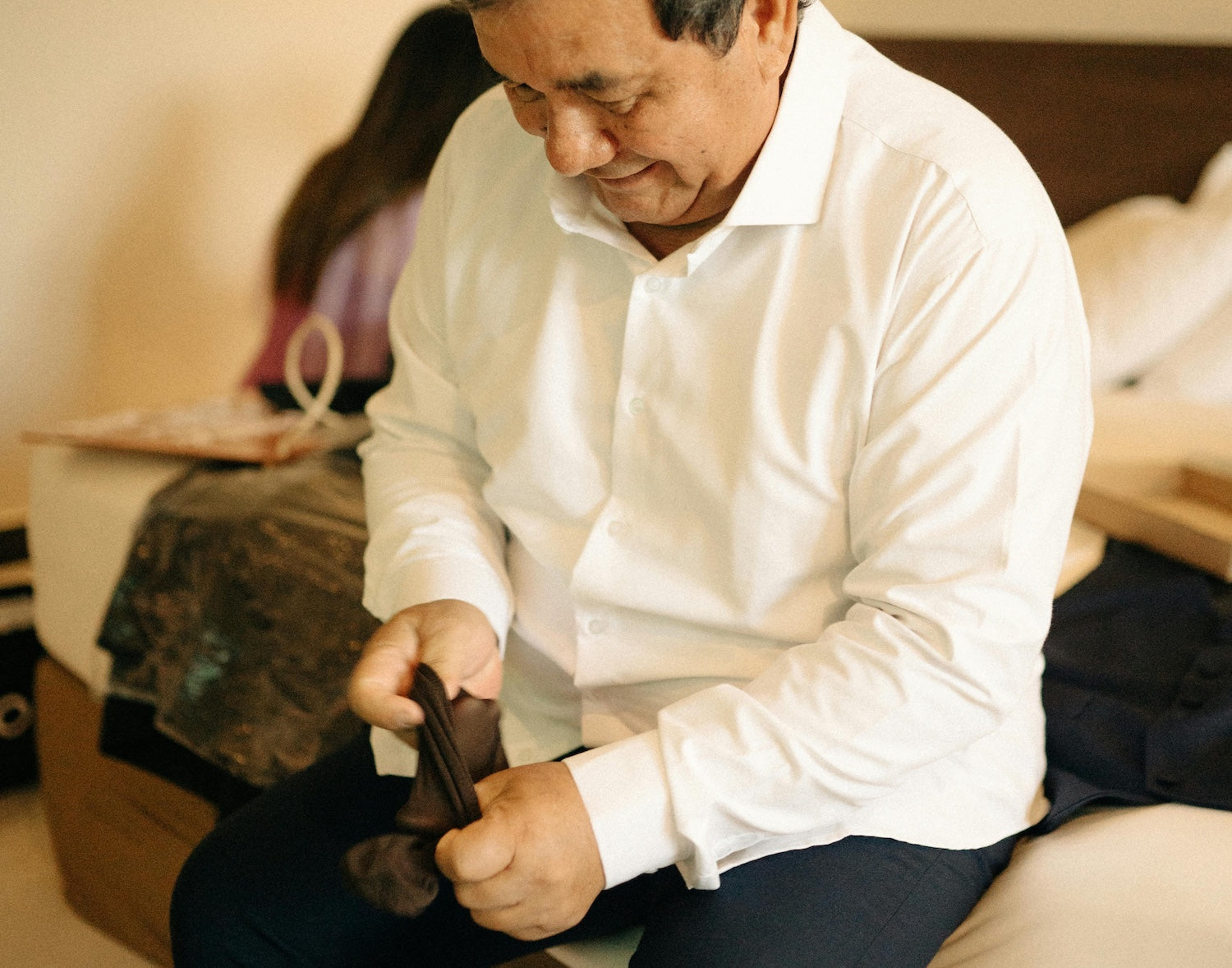
Physical Disabilities Guide
Written By: Rebecca S. Cook, MSPO, CPO
Getting dressed can be one of the most demanding parts of the day for people with physical disabilities. Changes in strength, balance, coordination, or fine motor skills can turn simple routines into something that takes extra time, energy, and support. This guide breaks down common dressing and self-care challenges, plus how adaptive clothing can help both individuals and caregivers.
Download the guide: Physical Disabilities Guide
Common dressing and self-care challenges
Physical disabilities can affect the body in different ways, but many people experience similar pain points during dressing routines, including:
- Difficulty reaching or lifting limbs due to paralysis, joint pain, or muscle weakness.
- Limited hand dexterity that makes it hard to fasten buttons, zippers, or laces.
- Fatigue or pain that makes dressing take longer and feel more exhausting.
- Balance concerns like trouble standing to pull on pants or adjust garments.
- Higher risk during routines including falls, injury, or needing frequent assistance.
Over time, these challenges can lead to more reliance on caregivers, slower mornings, increased frustration, and added safety concerns.

How adaptive clothing helps
Adaptive clothing is designed to remove barriers without sacrificing comfort or style. The goal is simple: make dressing easier, safer, and more dignified.
Benefits for the individual
- Supports independence with easier features like Velcro-style closures, magnets, and open-back designs.
- Reduces pain and fatigue with softer fabrics, adjustable fits, and accessible closures.
- Improves safety by making it easier to dress from a seated position.
- Saves time and energy by simplifying steps that are usually the hardest.
Benefits for caregivers
- Less physical strain by reducing lifting, pulling, and repeated repositioning.
- Improved safety by limiting awkward positioning and standing transfers.
- More respectful routines that help reduce stress for everyone involved.
These benefits can add up to smoother mornings, fewer hazards, and more confidence, day after day.
What to look for in adaptive clothing
- Easy-access closures: options that are simpler than traditional buttons and zippers.
- Seated-friendly design: fits and openings that work well while sitting.
- Comfort-first materials: soft fabrics, stretch, and reduced pressure points.
- Thoughtful fit: adjustable waistbands and designs that accommodate braces, swelling, or limited range of motion.
Get the guide
If you want a quick, shareable reference for common challenges and how adaptive clothing can help, download the PDF below.
Download: Physical Disabilities Guide